





Investors: 800.432.5291
Get the Latest
Subscribe here to receive Email Alerts about Hecla news, updates, events and more.
We’re Hecla
© 2026 Hecla Mining Company. All rights reserved
Because our mines run primarily on renewable energy, our Scope 2 GHG emissions are low relative to our peers. Over time, we expect further reductions in GHG intensity as we continue to improve operational efficiencies. In 2025, Hecla’s responsible mining practices once again achieved an intensity ratio of metric tonnes of GHG emissions per silver ounce produced of 0.007, one of the lowest in the industry.
We have set specific goals related to climate action, including increasing our use of renewable energy and improving our climate change disclosure and risk response. Building on our existing progress toward these goals, Hecla is in the process of identifying achievable goals for GHG emissions that take into account our evolving business strategy and changing operational footprint.
Alongside Hecla’s work to minimize operational emissions and provide essential materials for the low-carbon transition, we are also focused on building our company’s resilience by adapting to and mitigating risks. Climate related projections are a part of the risk management and planning process for each Hecla mining operation.
Learn more about our enterprise risk management process and site-specific efforts in our 2025 Sustainability Report.
To determine Hecla’s Scope 1 and Scope 2 Carbon Dioxide Equivalent Emissions (CO2e), a third party consultant utilizes U.S. Environmental Protection Agency (EPA) reporting standards, protocols, methodologies, and other related guidance.
The GHG guidance is based on The Greenhouse Gas Protocol: A Corporate Accounting and Reporting Standard (GHG Protocol) developed by the World Resources Institute (WRI) and the World Business Council for Sustainable Development (WBCSD).

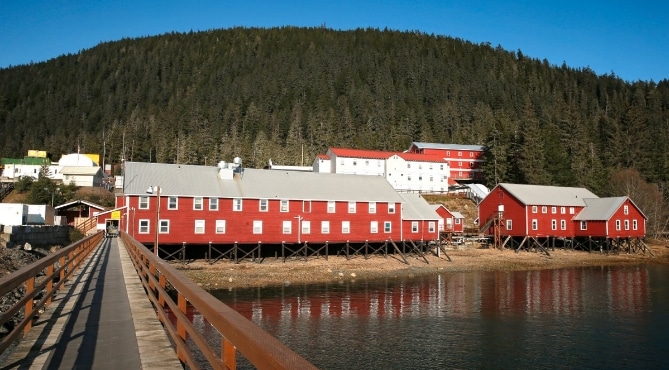
Hecla’s emissions and energy consumption reductions were accomplished through operating efficiencies that lower the use of electricity, diesel fuel, gasoline, natural gas, and propane. Among our efficiency tools is an Emissions-Based Maintenance (EBM) program that uses emissions data to determine whether equipment is running most efficiently or requires maintenance. This program has been fully implemented at Greens Creek and is being introduced at other sites as well.
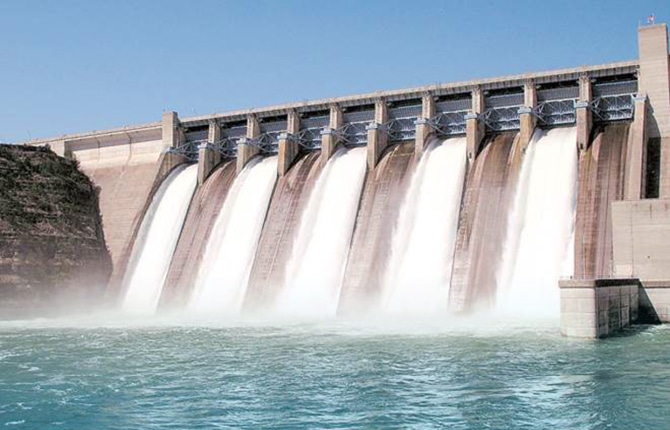
One of Hecla’s largest sources of electricity is renewable hydropower, and we use as much hydroelectricity as our power suppliers can provide. Currently, at our sites in production: